
Accepting card payments from international customers can help a business reach new markets, serve travelers, expand ecommerce sales, and build recurring revenue across different regions. However, international credit card payments may cost more than comparable domestic transactions because additional institutions, payment rules, currencies, and risk controls can become involved. A...
International Card Authorization Costs

International sales can expand a business’s customer base, but they also add layers to the payment process that may be difficult to see at checkout. A customer enters card details, clicks the payment button, and receives an approval or decline within seconds. Behind that brief interaction, several financial institutions and...
Network Currency Conversion Fees Explained

International card payments often appear simple. A customer selects a product, enters payment details, approves the purchase, and receives a confirmation. Behind that quick interaction, however, the transaction may move through several organizations, currencies, exchange-rate calculations, and settlement systems. This complexity matters to ecommerce merchants, subscription businesses, travel-related companies, exporters,...
A Beginner’s Guide to International Payment Processing
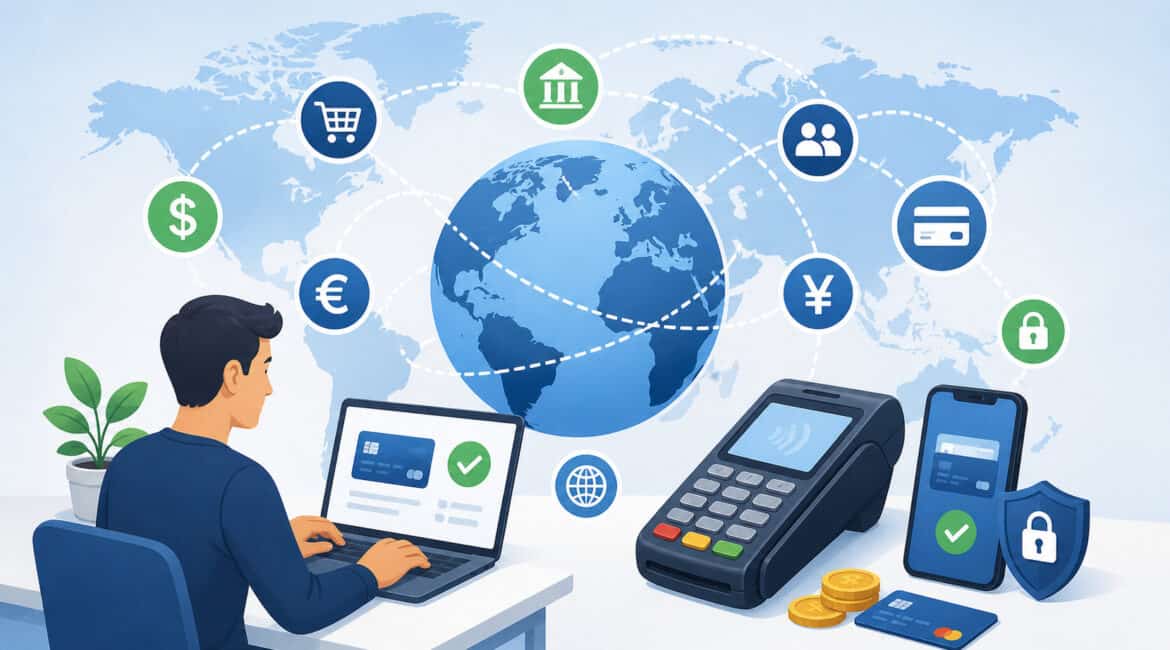
International payment processing helps businesses accept payments from customers, clients, and buyers in different regions. For ecommerce sellers, contractors, freelancers, service providers, and growing companies, this can open the door to larger markets, higher order volume, and more flexible ways to get paid. But global payments come with more moving...
Multi-Currency Merchant Accounts Explained
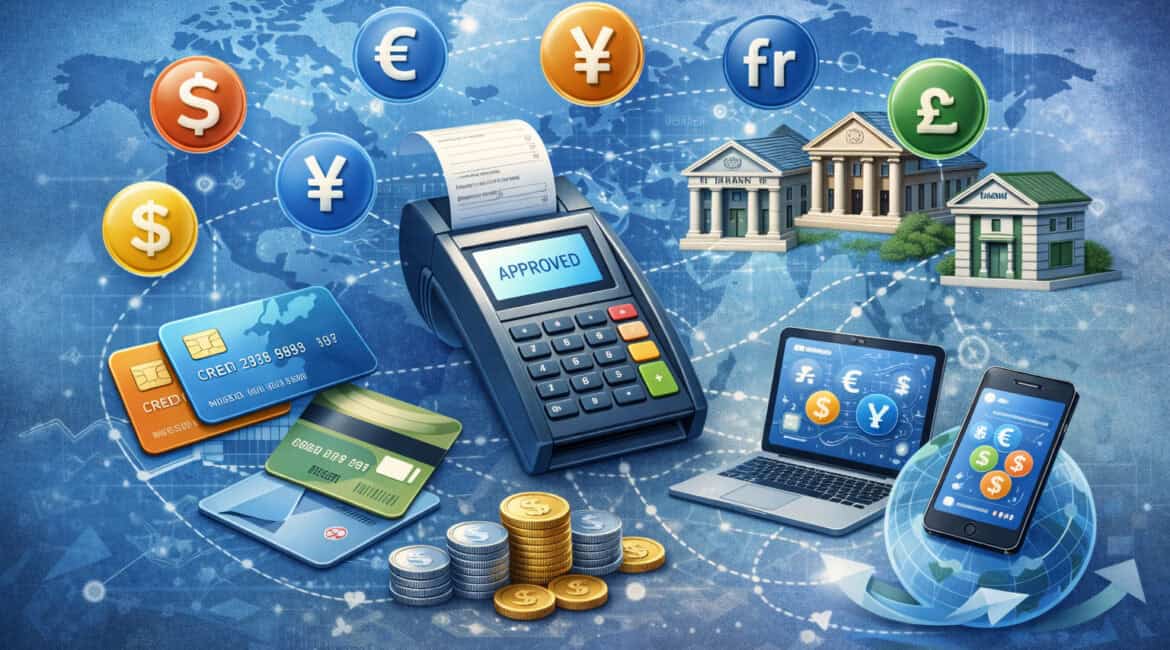
If you sell to customers in more than one currency, you’ve probably felt the “surprise gap” that shows up after launch: approval rates that vary by region, refunds that don’t match the original amount, unexpected FX conversion fees, and finance teams stuck reconciling payouts that don’t tie cleanly to orders....
Offshore Merchant Accounts: Requirements & Risks
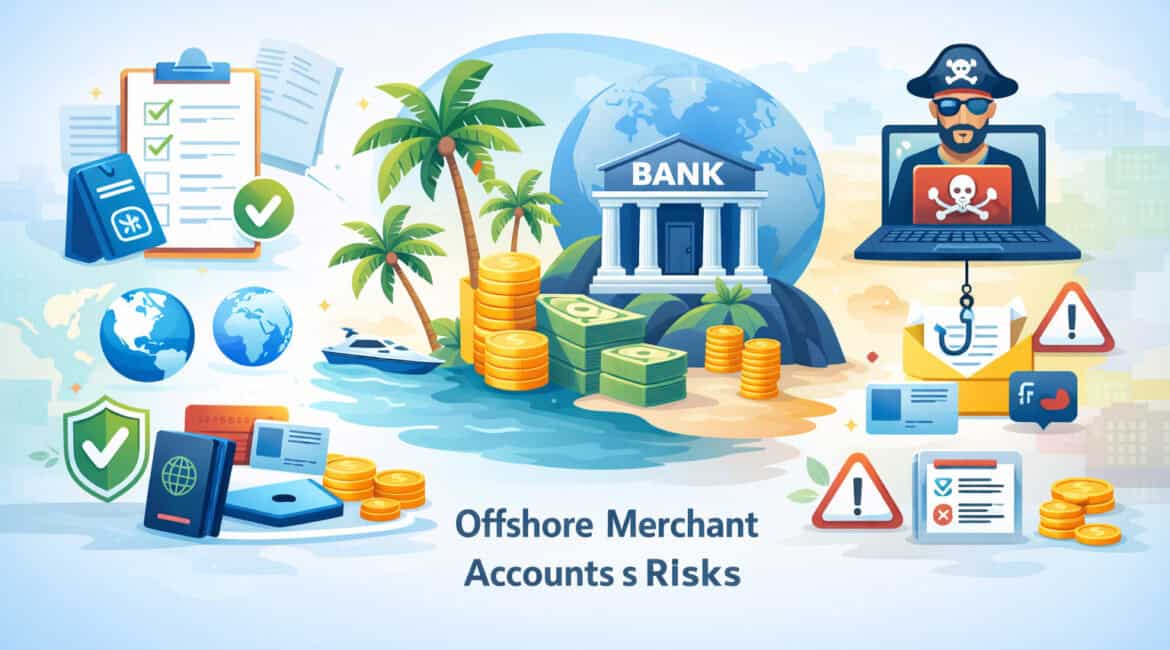
Offshore merchant accounts can sound like a shortcut—until you look closely at what they are actually designed to do: support cross-border processing, offshore acquiring, and multi-currency settlement for businesses with international customers, complex risk profiles, or global operational needs. Used correctly, they can improve payment acceptance and settlement flexibility. Used...
Cross-Border Authorization Rates Explained (Guide to Higher International Card Approvals)

If you sell internationally, you’ve probably seen it: a customer is ready to buy, the cart is full, and then—payment declines. Not because your product isn’t wanted, but because the issuer (the customer’s bank) decided that a specific transaction wasn’t safe, wasn’t allowed, or didn’t look “normal” enough to approve....
Negotiating Better Rates for International Card Processing

Winning lower costs for international card processing isn’t about a single silver bullet. It’s a methodical mix of data preparation, pricing-model fluency, risk optimization, and hard-nosed commercial negotiation. In this comprehensive guide, you’ll learn how to decode fees, benchmark offers, and negotiate confidently with acquirers and PSPs so you can...
How to Set Up International Card Processing for Your Business
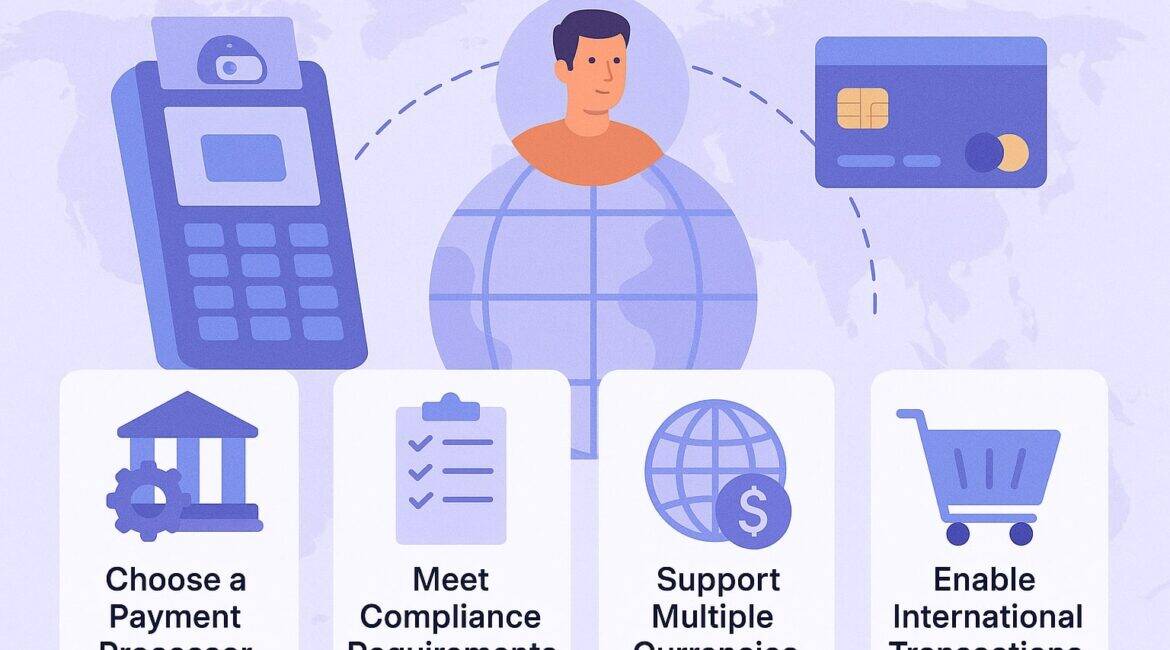
Accepting international card payments allows your business to reach customers around the world, but setting it up requires careful planning. International card processing enables customers from different countries to pay you with credit or debit cards in their local currency, expanding your market reach and boosting revenue. However, cross-border payments...
How Dynamic Currency Conversion (DCC) Affects Merchants and Customers

With the increase of global travel and cross-border eCommerce, there are more and more customers paying in foreign currencies. To simplify these types of transactions, many merchants provide dynamic currency conversion (DCC) at time of purchase or checkout online. It sounds like a win-win, but the situation is a bit...