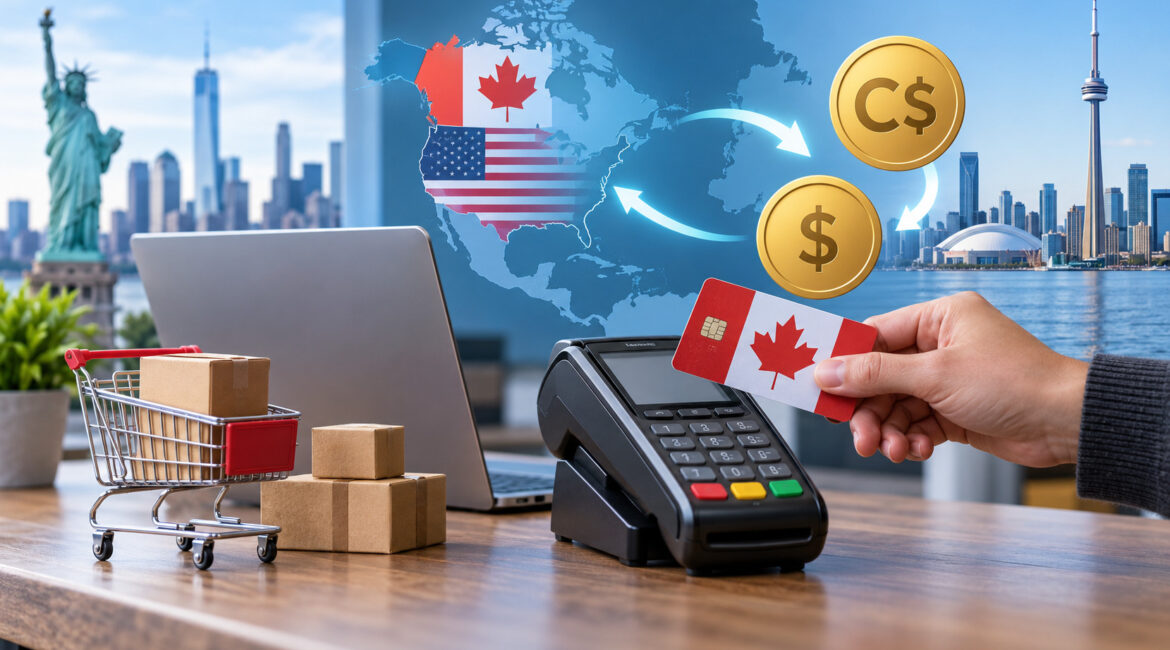
A Canadian customer taps a card at a U.S. restaurant, enters a Canadian-issued Visa on an American e-commerce site, or renews a SaaS subscription billed by a U.S. company. The payment may look almost identical to a domestic transaction, but the merchant's economics can be different. For a business researching...
Refunding an International Order? What Happens to the Cross-Border Fees, Interchange, and FX You Already Paid

A customer in another country returns a purchase, you issue a full card refund, and the order appears to be financially erased. Yet when the processor statement arrives, the original processing cost has not disappeared. That leads to the question merchants repeatedly ask: are cross-border fees refunded on returns? The...
Who Pays Cross-Border Fees: Merchants or Customers?
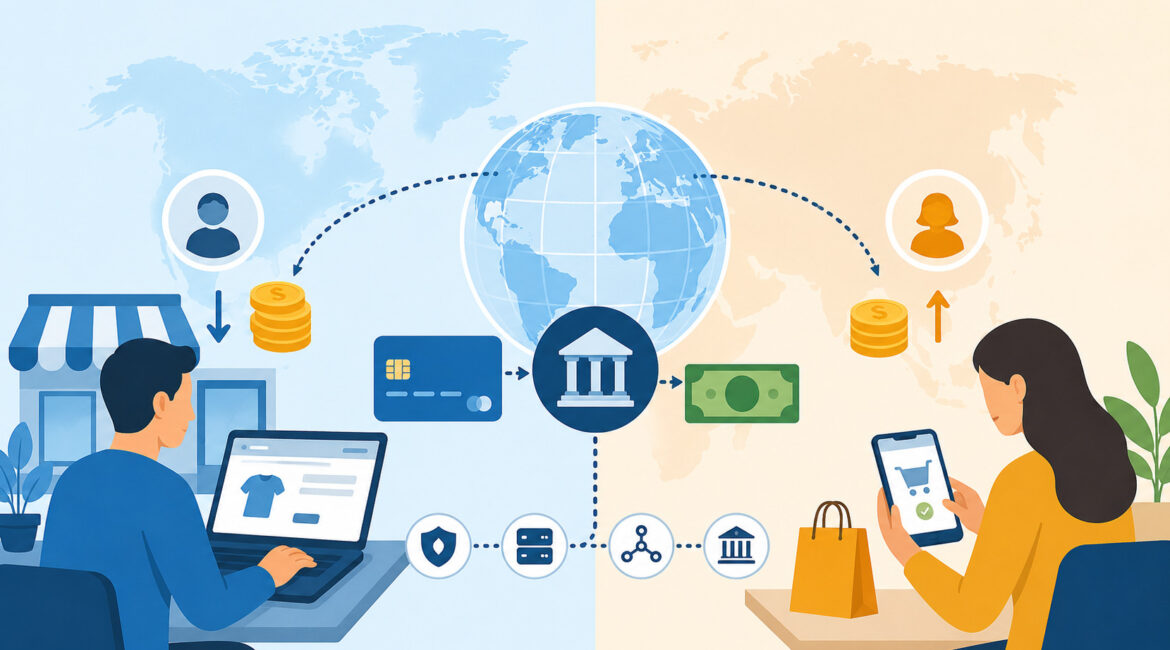
International payments can look simple at checkout. A customer enters a card number, approves the purchase, and receives an order confirmation. Behind that brief interaction, however, the payment may travel through an issuing bank, acquiring bank, payment processor, payment gateway, and card network before the merchant receives the funds. Each...
Cross-Border Fees for Card-Not-Present Transactions
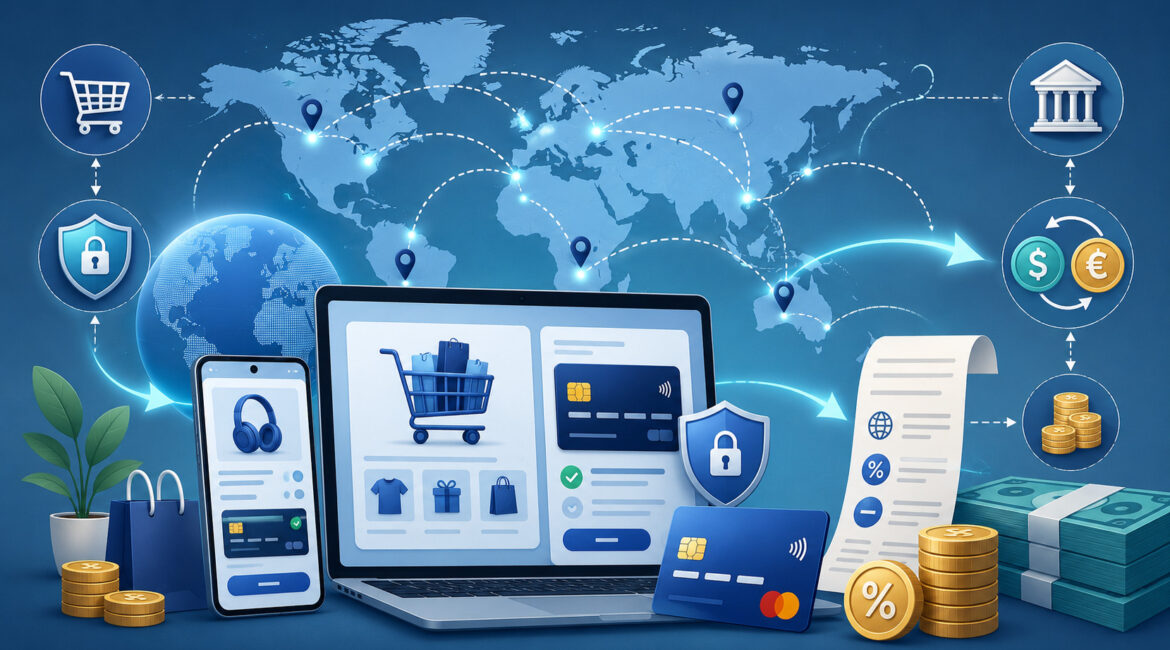
Cross-border fees for card-not-present transactions can influence the real profitability of an online sale long after a customer clicks the payment button. An ecommerce order may appear to be a routine card transaction, yet the payment can involve a foreign-issued card, multiple financial institutions, international routing, currency conversion, fraud screening,...
Understanding Foreign Transaction Fees Explained

Foreign transaction fees matter because international payments often cost more than the price shown at checkout, on an invoice, or in a payment request. A card purchase, online payment, subscription charge, contractor invoice, or ecommerce order can move through several payment systems before the final amount is posted, settled, and...
Intermediary Bank Fees in International Wire Transfers (Guide to Hidden Charges and How to Reduce Them)
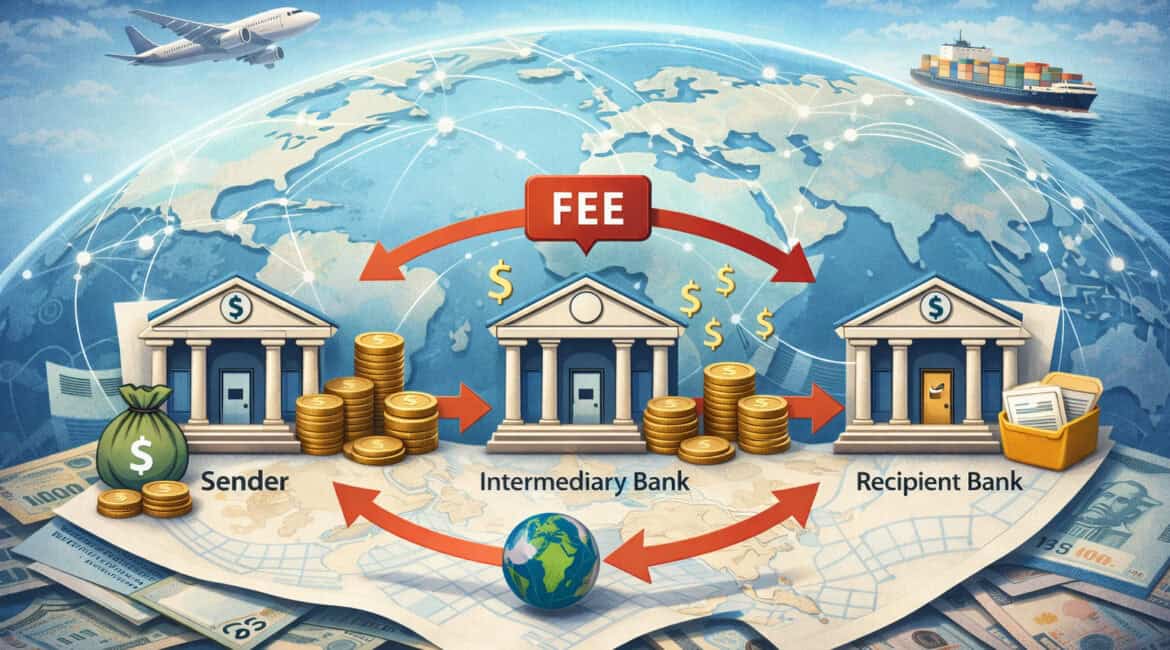
If you’ve ever sent an international wire and heard, “We received it… but it’s short,” you’ve run into the most frustrating part of cross-border payments: intermediary bank fees in international wire transfers. These fees (often called correspondent bank fees, lifting fees, or “deduct charges”) can be taken mid-route—after the money...
Foreign Transaction Fees vs Cross-Border Fees: What’s the Difference? (Guide for Businesses and Cardholders)
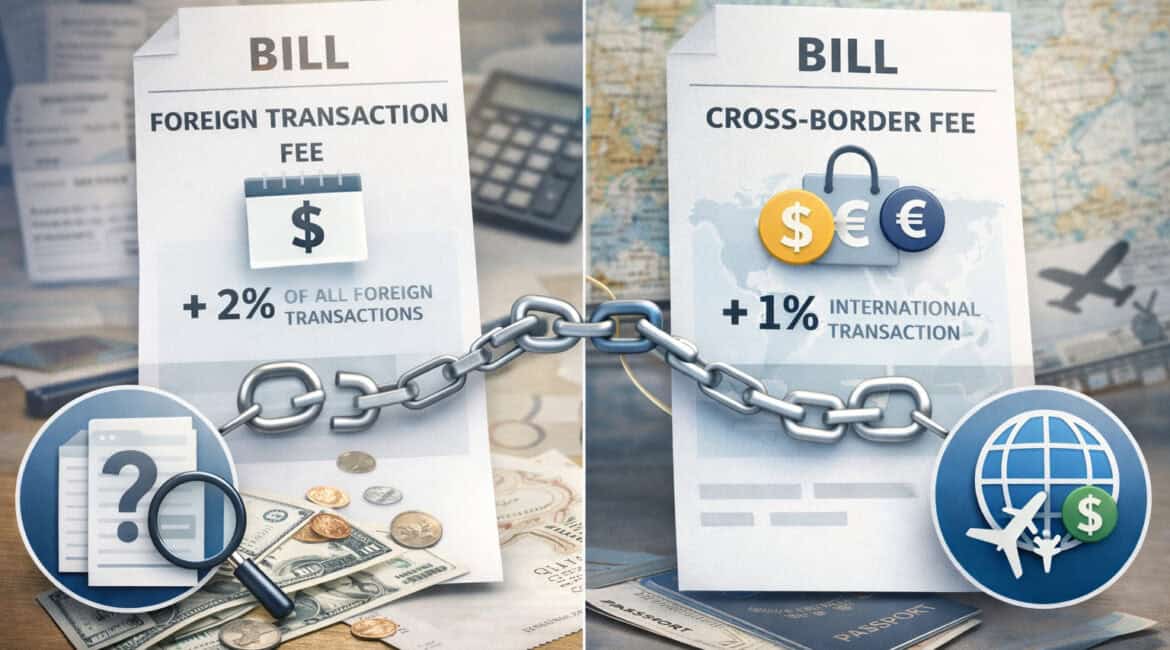
International card payments often look simple at checkout—tap, click, approved. But once the transaction hits a cardholder’s statement or a merchant processing statement, it can split into multiple fees that sound interchangeable: foreign transaction fee, cross-border fee, international service assessment, currency conversion fee, and more. This guide explains foreign transaction...
DCC (Dynamic Currency Conversion) Fees Explained
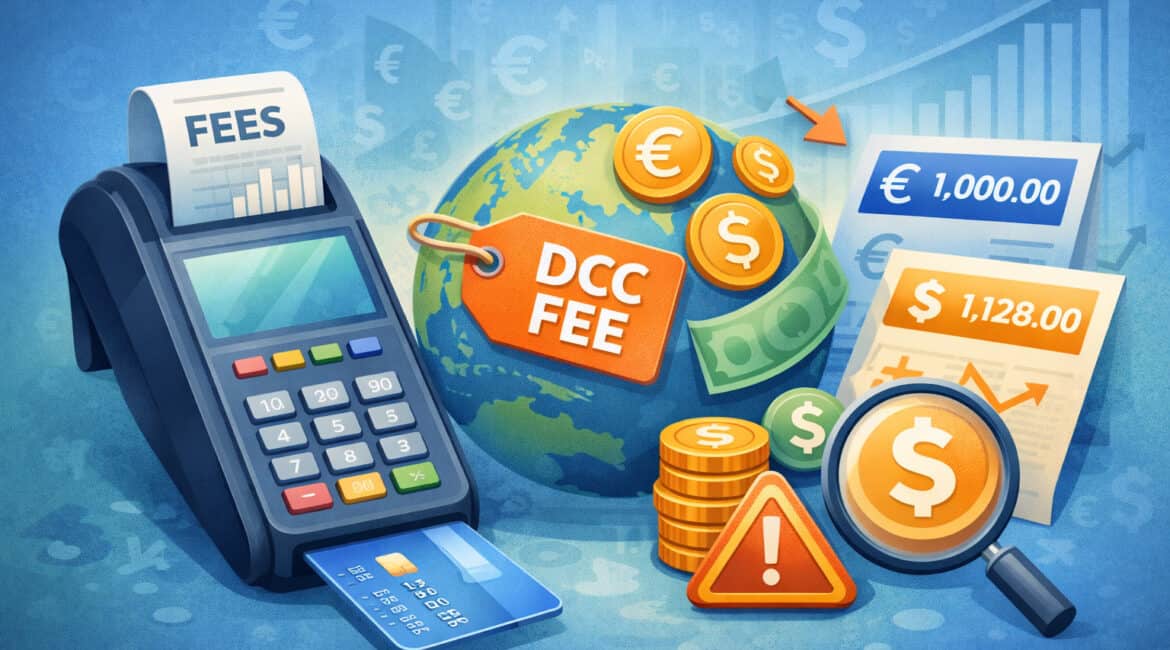
Dynamic Currency Conversion (DCC) shows up when you’re paying with a card and the checkout experience offers to charge you in your card’s billing currency instead of the local currency where the merchant (or ATM) is located. It can feel convenient—especially when the screen promises a “guaranteed rate” or shows...
Types of Cross-Border Merchant Fees Explained
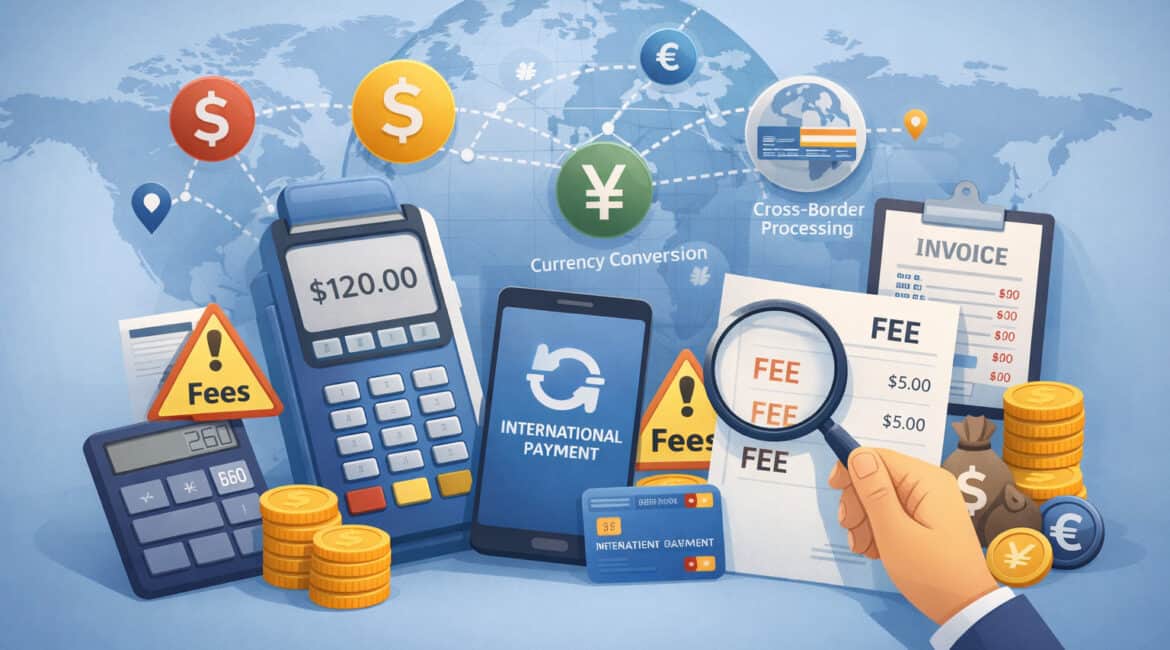
Cross-border merchant fees are the extra costs that show up when a business accepts a card payment where the customer’s card-issuing bank is in a different region than the merchant’s acquiring setup. In plain terms, cross-border merchant fees appear when your business sells to international customers, even if your storefront...
Cross Border Fees in B2B vs B2C Payments: What’s Different, What Drives Costs, and How to Lower Them
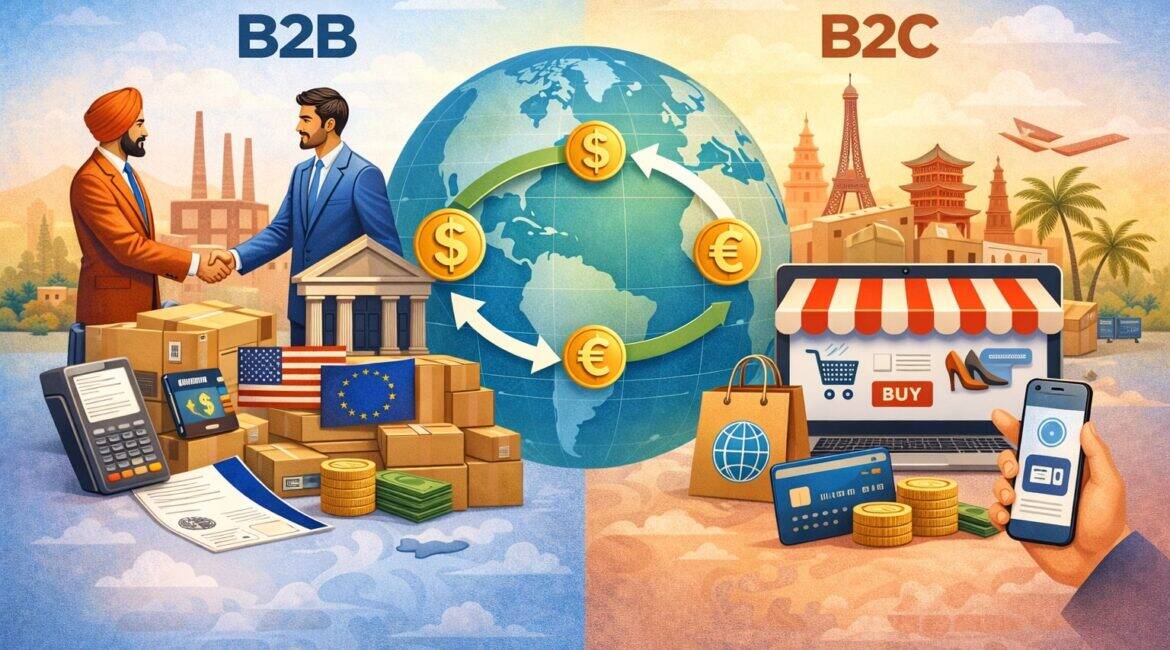
Cross Border Fees are the “friction costs” that appear when money, data, and compliance obligations move across borders. For most businesses, cross border fees show up as a mix of visible charges (like a stated FX markup) and invisible charges (like intermediary bank deductions, scheme assessments, routing markups, and operational...