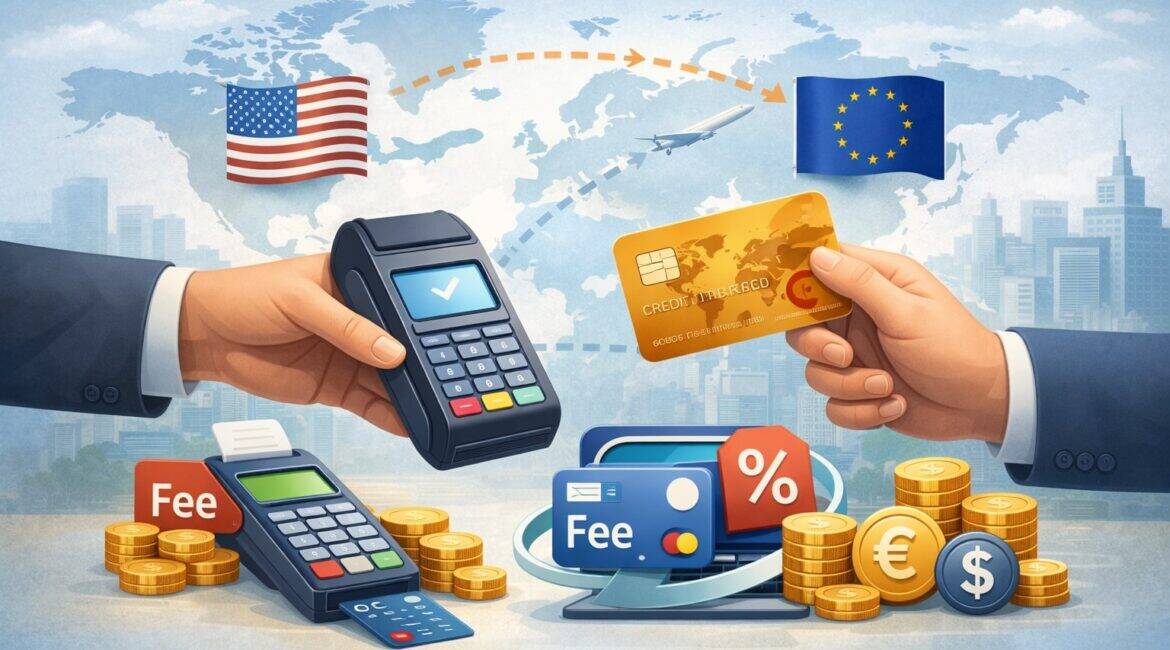
If you sell online, serve travelers, or bill clients who live outside your home market, cross-border fees can quietly turn a “normal” card sale into a higher-cost transaction. And because Cross Border Fees often show up as a blend of network assessments, issuer pricing, currency handling, and processor markup, many...
Common Types of Cross-Border Payment Fees
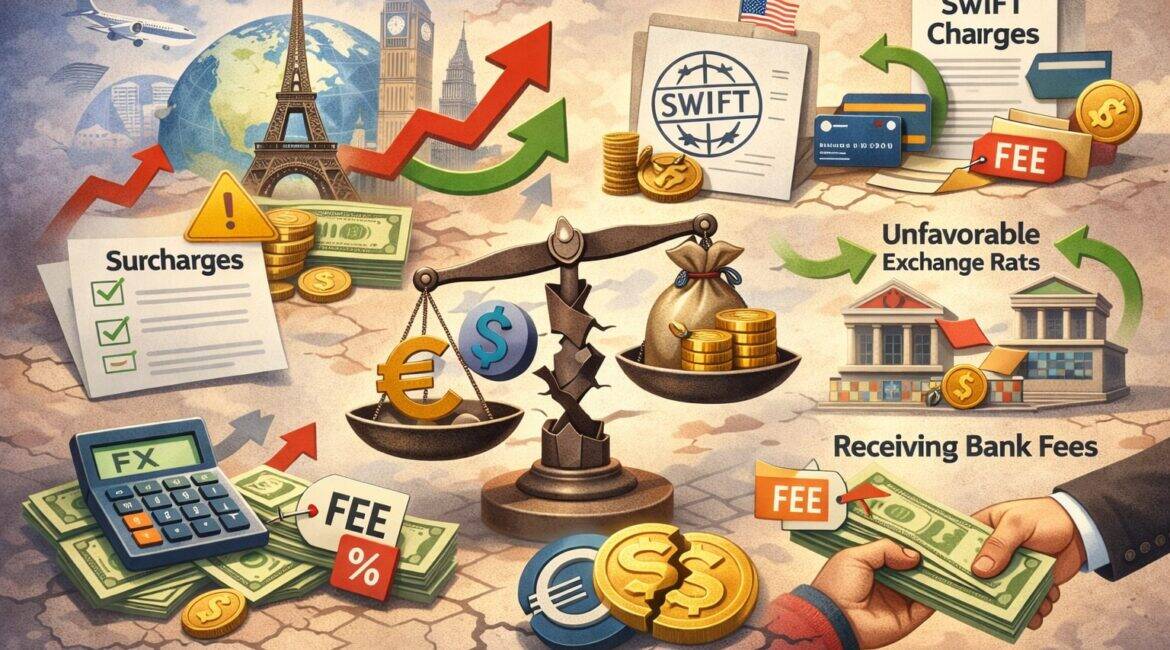
Cross-border payment fees are the total costs that show up when money, card payments, or settlement instructions move between different banking systems, currencies, and compliance zones. In real life, these fees rarely appear as one neat line item. They usually show up as a mix of explicit charges (a wire...
Best Alternative Payment Methods to Avoid Cross-Border Costs

Cross-border payments power global commerce, but they also carry hidden friction: foreign exchange (FX) spreads, correspondent banking fees, card scheme markups, and compliance overhead. Choosing the best alternative payment methods to avoid cross-border costs can reduce your total cost of acceptance, speed up settlement, and improve authorization rates. In this...
How to Avoid Cross-Border Fees on International Transactions
Paying or getting paid across countries doesn’t have to be expensive. Yet many people and businesses still lose money to cross-border fees: foreign transaction fees, card network assessments, dynamic currency conversion (DCC) markups, intermediary bank charges, and surprise FX spreads. This guide explains what those cross-border fees are, why they...
Top Ways to Avoid Cross-Border Transaction Fees
Cross-border transaction fees – often called foreign transaction fees – are the extra charges levied by banks, credit card companies, and payment networks whenever you pay or send money across international borders. In practice, almost every international purchase or money transfer involves multiple fees (interchange fees, service fees, currency conversion...
Breaking Down International Card Processing Costs
Accepting international credit and debit card payments exposes U.S. businesses to additional fees beyond domestic transactions. Breaking down international card processing costs means understanding interchange fees, network assessments, and processor markups that apply when cards are issued or settled overseas. These costs typically include cross-border or foreign transaction surcharges by...
How International Transaction Fees Impact Your Profit Margins
International transaction fees, sometimes called foreign or cross-border fees, are extra charges banks, card networks, or payment providers impose when a payment crosses borders or requires currency conversion. These fees usually include a percentage of the transaction (commonly 1%–3%) and sometimes a fixed per-transaction charge. For example, many U.S. banks...
What Are Cross-Border Merchant Fees and Why Do They Matter?
In today’s global economy, businesses of all sizes are increasingly selling across borders. Whenever a customer from one country buys from a merchant in another country, cross-border merchant fees typically come into play. These fees are flat-rate percentages added on top of normal processing costs for international transactions. Payment networks...
How Dynamic Currency Conversion (DCC) Affects Merchants and Customers

With the increase of global travel and cross-border eCommerce, there are more and more customers paying in foreign currencies. To simplify these types of transactions, many merchants provide dynamic currency conversion (DCC) at time of purchase or checkout online. It sounds like a win-win, but the situation is a bit...
How to Audit Cross-Border Fees on Your Merchant Account

In today's global economy, businesses are increasingly engaging in cross-border transactions to reach new markets and expand their customer base. However, with the benefits of international commerce come additional costs in the form of cross-border fees. These fees can add up quickly and eat into your profits if not properly...