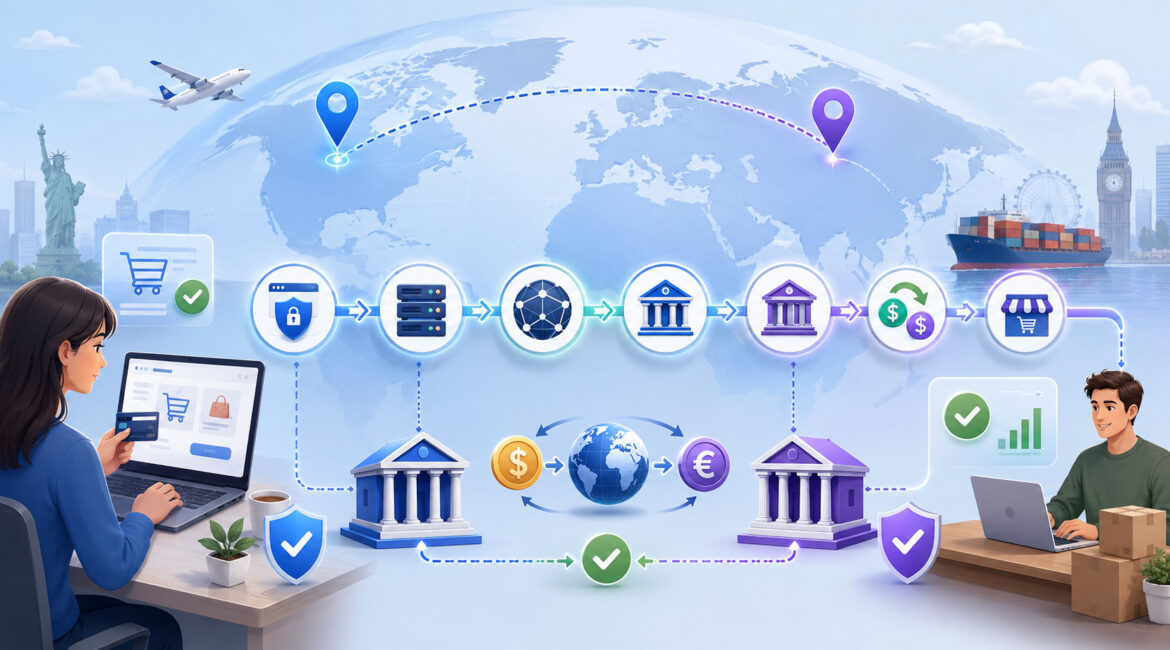
A customer visiting an online store may enter card details, click “Pay,” and receive confirmation within seconds. From the customer’s perspective, the payment appears simple. Behind that checkout screen, however, payment information may travel through a gateway, processor, acquiring bank, card network, issuing bank, fraud systems, and currency-conversion services before...
Cross-Border Payments vs Domestic Payments: Key Differences
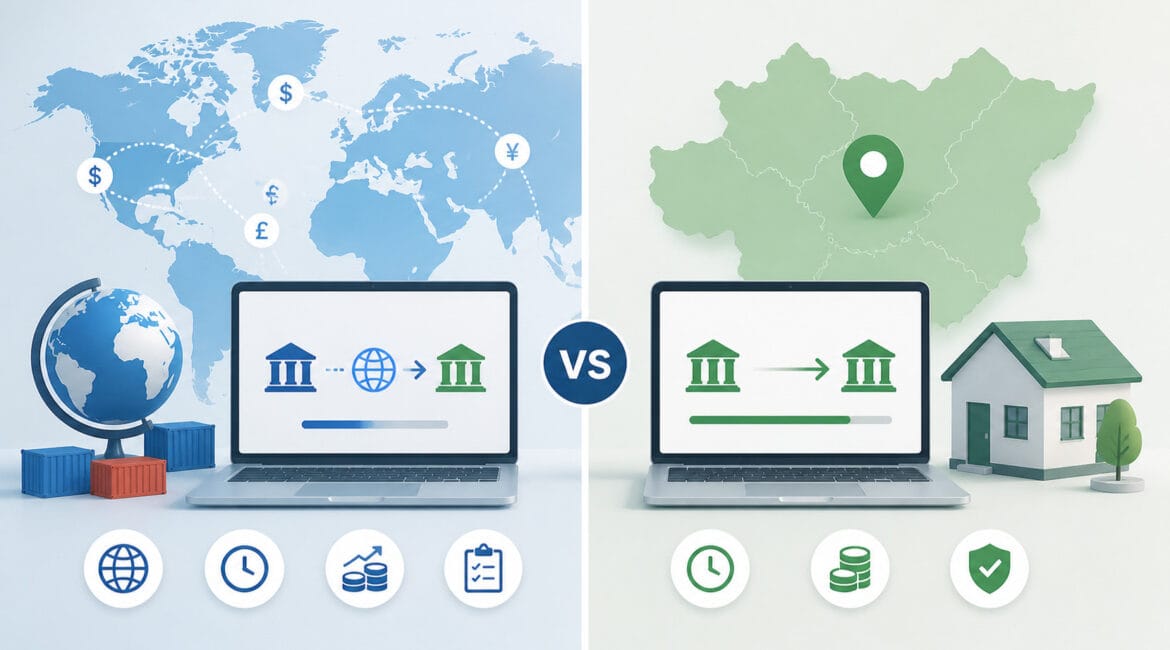
For any business that accepts payments, sends invoices, pays contractors, or sells online, understanding cross-border payments vs domestic payments is essential. A payment may look simple on the surface, but the process behind it can affect how quickly funds arrive, how much the transaction costs, what compliance steps apply, and...
Cross-Border Assessment Fees vs Currency Conversion Fees: What’s the Difference?
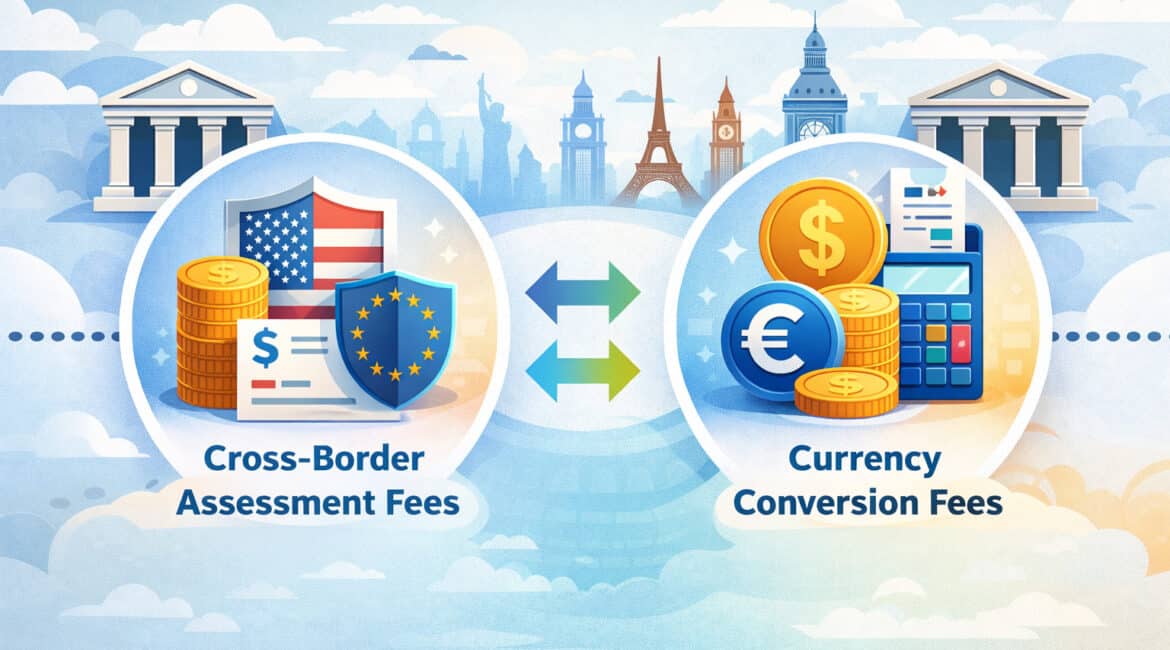
If you accept card payments from customers who live abroad (or who use cards issued abroad), you’ve probably seen “extra” line items that don’t look like interchange or your usual processing markup. The two most commonly confused categories are cross-border assessment fees (a card-network assessment triggered by “issuer location vs...
Cross-Border Payment Risks for Merchants

Cross-border commerce is no longer “enterprise-only.” Subscription brands, marketplaces, SaaS, digital services, B2B wholesalers, and even local retailers now sell to customers outside their home market—often with the same checkout, the same fulfillment stack, and the same customer-support team. That convenience is exactly why cross-border payment risks deserve a dedicated...
Cross-Border vs Domestic Transactions Explained

Cross-border vs domestic transactions are often described as “sending money far away” versus “sending money nearby,” but the real differences go much deeper than distance. Cross-border vs domestic transactions affect how payments are authorized, routed, screened, converted, settled, returned, disputed, and reported. Those mechanics directly change your costs, your speed...
How Cross-Border Payments Work for Merchants

Cross-border payments are what make it possible for a merchant to get paid by a customer, marketplace, or business buyer whose bank, card issuer, or wallet provider sits outside the merchant’s home market. For merchants, cross-border payments look simple on the checkout page—choose a payment method, click “Pay,” receive confirmation—but...
Cross-Border Payments and PCI Compliance: What You Should Know
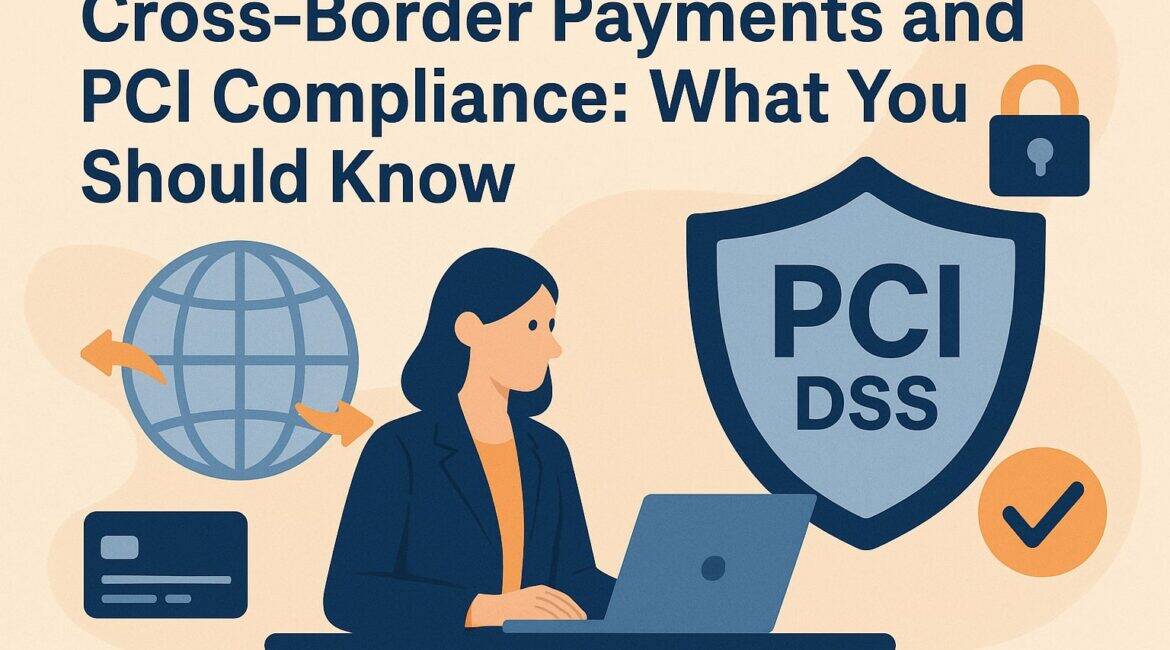
Cross-border payments and PCI compliance are deeply connected. Any business that accepts cards from international customers—whether through an online checkout, marketplace, or global invoice—moves sensitive cardholder data through networks, gateways, processors, and banks that may sit in multiple jurisdictions. That creates technical, legal, and security complexity that you must manage...
How to Calculate True Cross-Border Payment Costs
Cross-border payment costs can be surprisingly high and opaque. Every time a business or individual sends money internationally, hidden fees and currency markups can erode the value of the transfer. In fact, one study found that in 2023 U.S. consumers and small businesses paid $17.9 billion in international transaction fees,...
Top Challenges in Cross-Border Payments and How to Solve Them
Cross-border payments – financial transactions where the sender and recipient are in different countries – form the backbone of global trade, investment and remittances. They handle enormous value: one estimate puts the total cross-border payment flows at over $150 trillion in 2017, rising to roughly $250 trillion by 2027. Yet despite their...
Best Cross-Border Payment Methods for Businesses in 2025
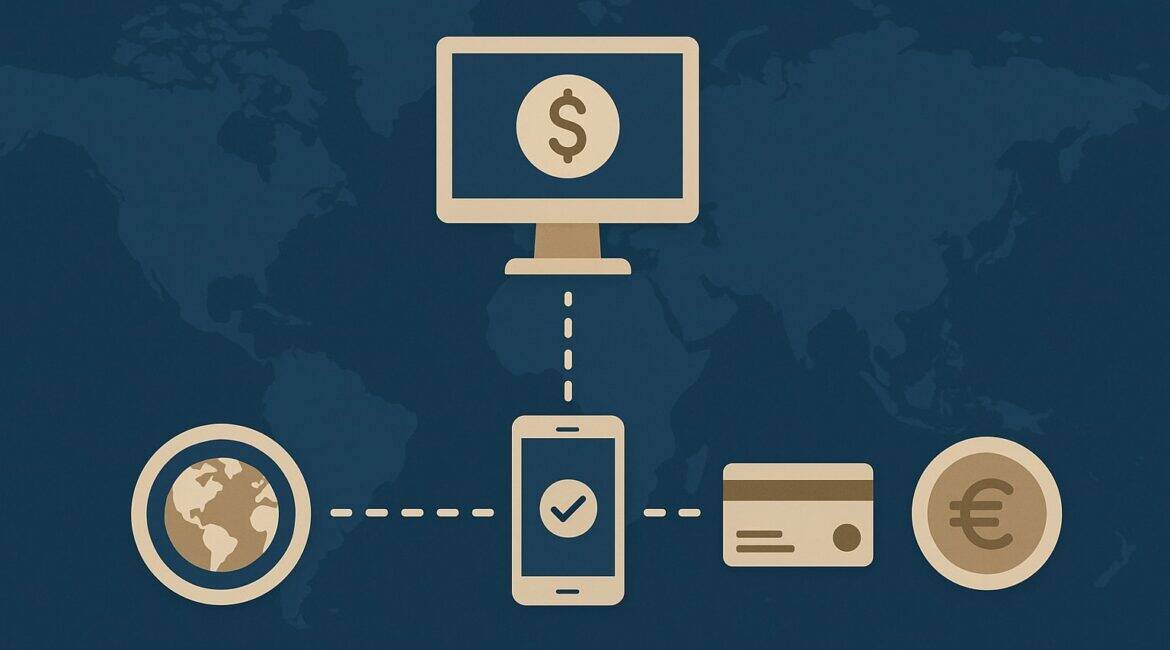
International cross-border payment methods are critical for US businesses of all sizes, as companies look to expand globally. With global B2B cross-border flows exceeding $31 trillion in 2024 and projected to reach $50 trillion by 2032, choosing the right payment solutions can significantly impact costs, speed, and efficiency. The best cross-border payment...